🤥I’ll be back🤥
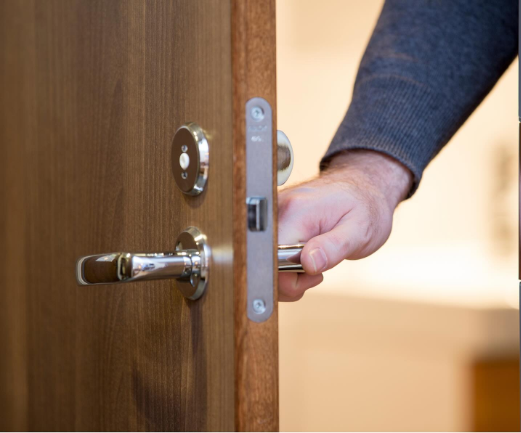
I have worked with many families of older children who struggle to sleep independently and their mum tells me ‘I tell them I’ll be back and then I stay out of the room until they fall asleep’.
I really don’t like this ‘method’ and I will explain why.
💔 Broken promises erode trust
Toddlers are learning whether the world—and especially their caregivers—are predictable and safe. When you say you’ll be back and then don’t return, they may:
* Feel confused or abandoned
* Worry that other promises may not be true
* Become more anxious at future bedtimes
🧠 Increased anxiety makes sleep harder
Instead of helping them fall asleep, your absence after promising to return can actually:
* Heighten separation anxiety
* Make them more alert and distressed
* Lead to crying, calling out, or resisting bedtime more strongly in the future
🌱 Sleep is built on emotional security
Children sleep best when they feel safe. A consistent, honest, and soothing bedtime routine helps them:
* Learn to fall asleep independently over time
* Develop a secure attachment with you
* Feel confident that they’re okay on their own
✅ What to do instead
If your goal is to help your toddler fall asleep without you staying in the room the whole time, it’s better to:
* Say exactly what you’ll do: “I’m going to go get your water and I’ll be right back.” Then actually return.
* Use a gradual approach so your toddler can practice falling asleep independently over time.
Bottom line, saying you’ll return but not following through teaches your child that your words can’t be counted on. That creates more bedtime stress—not less. It’s better to be truthful, calm, and consistent, even if the process takes longer.