🦷Teething and sleep🦷
Another tricky question – is my baby waking a lot in the night due to teething?
So to teething can definitely affect your baby’s sleep—though how much it affects sleep varies widely from baby to baby.
🦷How it CAN affect sleep:
* Pain and discomfort: Sore, swollen gums can make it harder for your baby to fall asleep or stay asleep.
* Increased night wakings: Your baby might wake up more often needing comfort, even if they were previously sleeping well.
* Difficulty settling: You might notice more fussiness or resistance at bedtime or naptime.
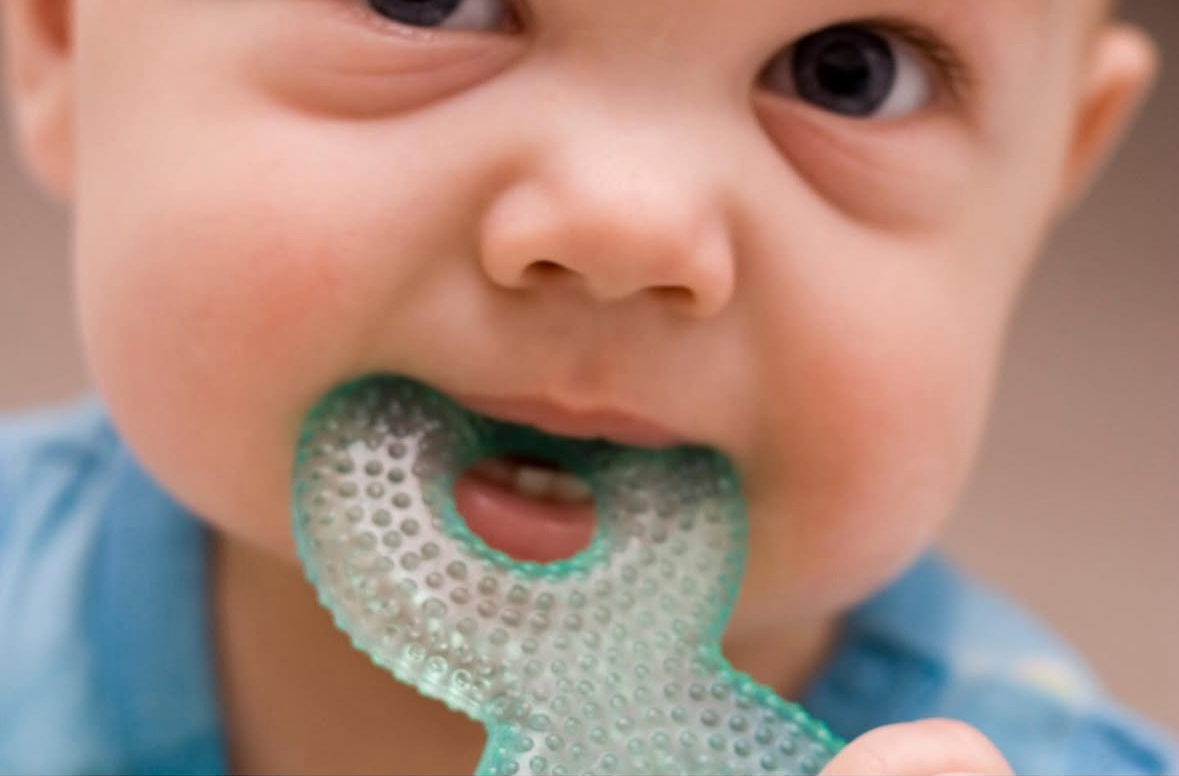
* Increased dribbling and chewing: These signs may also keep your baby more stimulated or irritable around sleep times.
🦷What’s normal teething vs not!
* Short-term sleep disruption: A few rough nights around the time a new tooth is cutting is normal.
* Extended Sleep Problems: If your baby’s sleep has been disrupted for weeks, teething might be a contributing factor—but likely not the only one. Other causes could include developmental milestones, separation anxiety, or sleep habits.
❤️What can you do?
* Offer Comfort: Use a cool teething ring, gum massage, or extra cuddles before bed.
* Pain relief (if needed): Appropriate use of pain killers like calpol or baby ibuprofen at night if teething pain seems severe can help. We also find Anbesol liquid helps a lot!
* Stick to the Routine: Try to maintain your normal sleep schedule and wind-down routine to help your baby feel secure.
To summarise, short-term sleep disruption can be due to teething. If sleep problems have been going on a while, chances are it’s not teeth related and it’s more than likely due to routine tweaks or teaching them to self settle.